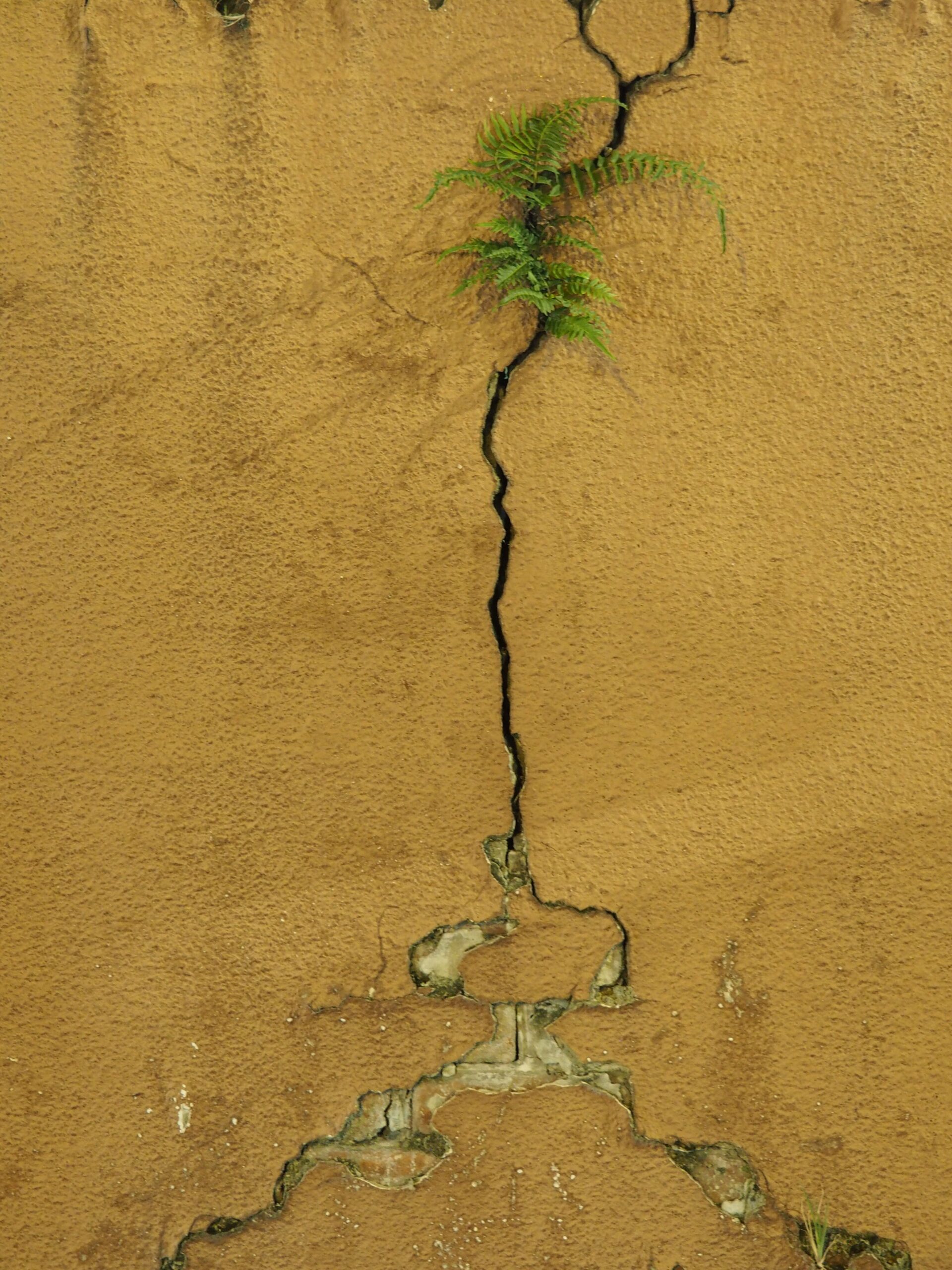
Resilience is one of those words we tend to use as a compliment.
You’re so resilient.
We say it to people who have survived terrible losses, illnesses, divorces, difficult childhoods, job losses, betrayals, and all the other things life can unexpectedly hand us.
And resilience is a beautiful thing. It is the part of us that figures out how to keep going when we aren’t sure we can. It helps us get out of bed. Go to work. Take care of the people we love. Make the appointment. Have the difficult conversation. Put one foot in front of the other.
But sometimes you get tired of being resilient.
Sometimes you don’t want to discover how strong you are one more time.
You don’t want another growth opportunity. You don’t want to look for the lesson. You don’t want someone to tell you that everything happens for a reason.
You just want things to be easier.
And there is nothing wrong with that.
Sometimes the hardest part comes after the hard part
One of the things I’ve noticed-both personally and in my work as a therapist-is that we don’t always fall apart when the difficult thing is actually happening.
Sometimes we are remarkably capable in a crisis.
There are appointments to make and decisions to make. There are people to call. There is paperwork to fill out. There are children or partners or pets who still need us. There are jobs we still have to show up for.
So we mobilize.
Our nervous systems are very good at this. When something feels threatening or overwhelming, our bodies can give us what we need to get through it. We focus on the next thing and then the next thing.
And then, eventually, things get quieter.
Everyone else assumes you’re doing better.
Maybe you assume you should be doing better, too.
And instead, you feel exhausted.
Or sad.
Or irritable.
Or anxious about things that normally wouldn’t bother you.
Maybe something relatively small happens-a canceled appointment, an unexpected expense, an insensitive comment, a change in plans-and suddenly you feel completely overwhelmed.
It can be confusing.
Why am I having such a hard time with this? I handled something much worse.
But that may be precisely the point.
Your body isn’t necessarily responding only to what happened today. It may be carrying everything that came before it.
Resilience isn’t the same thing as being unaffected
Sometimes we misunderstand what resilience is.
We think being resilient means getting through something difficult without being changed by it.
But that’s not how human beings work.
Loss changes us.
Illness changes us.
Trauma changes us.
Relationships change us.
Even positive transitions can ask something of us.
Being resilient doesn’t mean these experiences don’t leave an imprint. It means we find ways to continue living while we absorb what has happened.
And that takes energy.
There may come a point when what you need isn’t another push to keep going.
You may need rest.
You may need predictability.
You may need to cry about something you thought you were already finished crying about.
You may need someone else to take care of something for a change.
You may need to say no.
You may need to stop pretending something wasn’t as hard as it actually was.
You don’t have to turn everything into growth
I think our culture sometimes becomes uncomfortable with suffering unless we can turn it into a story about personal growth.
We want the difficult experience to have made us wiser, stronger, more grateful, more courageous.
And sometimes it does.
But sometimes something was simply painful.
Sometimes you would rather it had never happened.
You can eventually build a meaningful life around an experience without being grateful for the experience itself.
You can recognize your own strength without being grateful that life required you to use so much of it.
And you can be deeply resilient while also saying:
I’m tired.
That was too much.
I need things to be gentler for a while.
Maybe healing looks less like pushing and more like allowing
If you’ve spent a long time surviving, healing may not require you to become even stronger.
It may involve learning that you don’t have to be strong every minute.
It might mean noticing what your nervous system is asking for rather than immediately overriding it.
More rest.
More quiet.
More connection.
More boundaries.
More time outside.
More moments when nothing productive is happening.
More people around whom you don’t have to pretend you’re okay.
And sometimes therapy can become one of those places.
Not a place where someone tells you how to become more resilient.
But a place where you don’t have to be resilient for an hour.
A place where you can put down some of what you’ve been carrying and become curious about what you need now.
Because perhaps the question isn’t always:
How do I become strong enough to handle this?
Sometimes the better question is:
I’ve already handled so much. What would it feel like to take care of myself now?