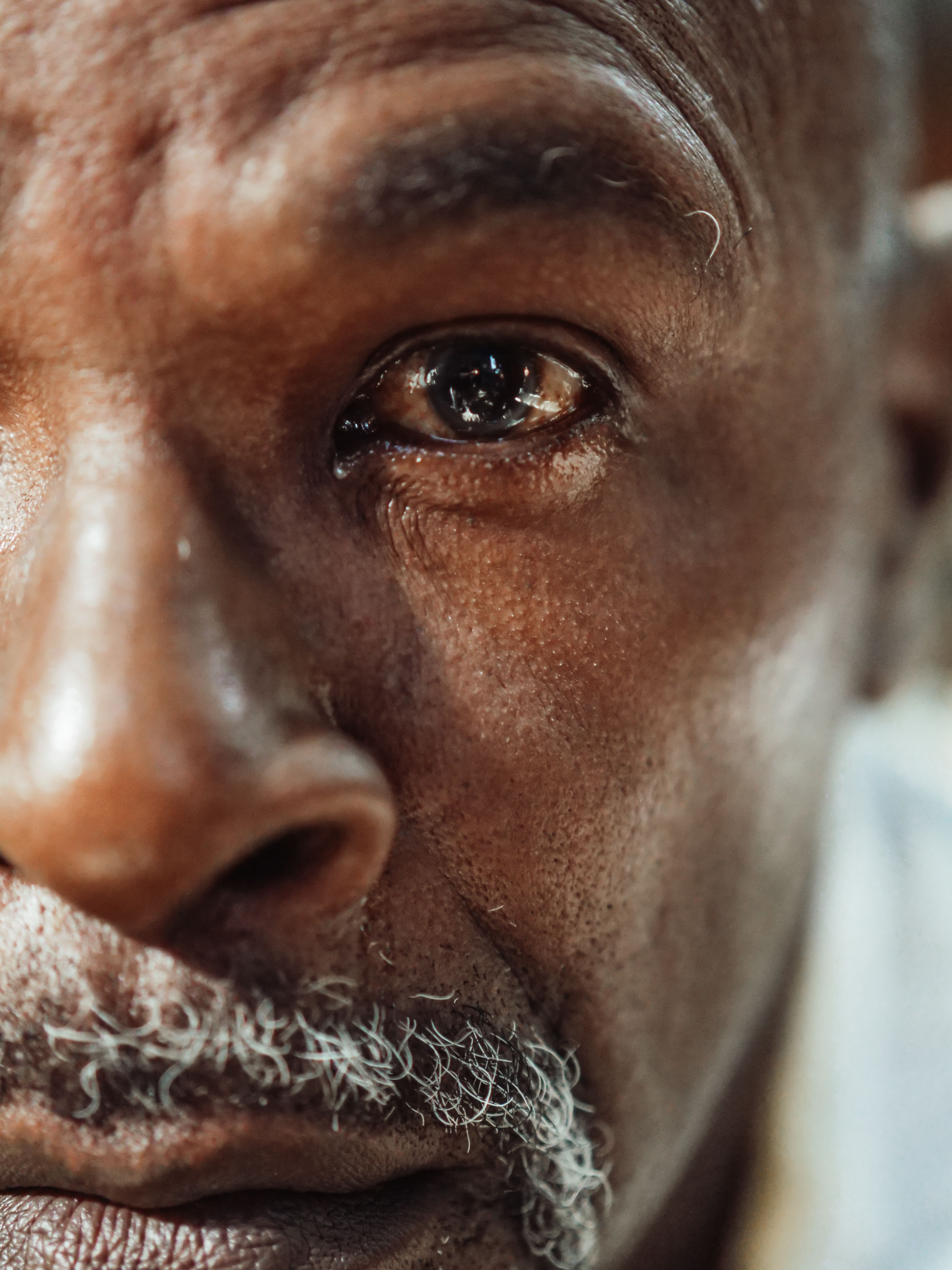
There are moments in life that divide time into “before” and “after.”
The phone call with a diagnosis. The loss of someone you love. The unexpected end of a relationship. A life-changing health issue. A job loss. A devastating disappointment.
In these moments, it can feel as though the ground beneath you has disappeared. The future you imagined suddenly looks different, and you may find yourself wondering, “How am I supposed to get through this?”
If you’re facing a major life challenge right now, I want you to know something important: you do not have to have all the answers today.
Give Yourself Permission to Feel What You’re Feeling
One of the most common reactions to a crisis is to judge our emotional response.
We tell ourselves things like:
- “I should be handling this better.”
- “I need to stay strong.”
- “I shouldn’t be falling apart.”
- “Other people have it worse.”
The reality is that grief, fear, anger, confusion, sadness, and even numbness are normal responses to difficult circumstances. There is no “correct” way to react to a cancer diagnosis, the death of a loved one, or another significant loss.
Healing begins when we stop fighting our emotions and start allowing ourselves to experience them with compassion.
Focus on the Next Step, Not the Entire Journey
When life feels overwhelming, our minds naturally jump into the future.
We wonder:
- What will happen next?
- How will I manage?
- What if things get worse?
- How will I survive this?
While these questions are understandable, they can also increase anxiety because they ask us to solve problems that don’t yet exist.
Instead of focusing on the entire road ahead, try asking:
“What is the next thing I need right now?”
Sometimes the next step is making a phone call. Sometimes it’s resting. Sometimes it’s attending an appointment. Sometimes it’s simply getting through the next hour.
You don’t have to carry tomorrow today.
Let People Help You
Many people struggle to accept support during difficult times.
They don’t want to burden others. They feel guilty asking for help. They believe they should be able to handle things on their own.
Yet one of the most powerful ways humans cope with hardship is through connection.
If someone offers to help, consider saying yes.
Allow people to:
- Bring meals.
- Drive you to appointments.
- Watch your children.
- Sit with you.
- Listen without trying to fix anything.
You don’t have to earn support. You deserve it simply because you’re human.
Take Care of the Basics
When we are overwhelmed, even ordinary tasks can feel exhausting.
You may not be able to do everything you normally do, and that’s okay.
Focus on the essentials:
- Eating regularly.
- Staying hydrated.
- Getting as much rest as possible.
- Moving your body gently when you can.
- Taking medications as prescribed.
- Attending important appointments.
These small acts of self-care are not selfish. They are foundational.
Expect Grief to Come in Waves
Many people expect healing to happen in a straight line.
It doesn’t.
Some days you may feel hopeful and capable. Other days you may feel like you’re right back at the beginning.
This is especially true when coping with loss, serious illness, or major life transitions.
Grief often moves in waves. A difficult day does not mean you’re failing or moving backward. It means you’re human.
Be Careful About Toxic Positivity
Well-meaning people may encourage you to “stay positive” or “look on the bright side.”
While hope can be helpful, forcing positivity can sometimes make people feel more alone.
You do not need to pretend everything is okay.
Real resilience is not denying pain. It is allowing both pain and hope to exist at the same time.
You can be grateful and scared.
You can be hopeful and heartbroken.
You can be strong and struggling.
Both can be true.
Consider Professional Support
Some challenges are simply too heavy to carry alone.
Therapy can provide a safe space to process fear, grief, uncertainty, anger, and the many emotions that accompany life’s most difficult experiences.
You don’t have to wait until you’re in crisis to seek support. In fact, having someone walk alongside you during a difficult season can help you feel less isolated and more equipped to cope.
A Final Thought
If you’re facing a cancer diagnosis, grieving the loss of someone you love, or navigating another profound life challenge, remember this:
You do not have to have it all figured out.
You do not have to be strong every minute.
You do not have to walk through this alone.
Healing is not about never struggling. It is about learning how to move through life’s hardest moments with support, self-compassion, and hope.
One breath.
One day.
One step at a time.If you’re looking for someone to talk to, I’m here.
Schedule a free 15 minute consultation with me at 512.669.0395